

Ask a kitesurfer in Cairo where they are going this weekend and you will usually get a one-word answer. Ras Sudr has quietly become the sport’s home in Egypt — not through marketing, but through physics.
The wind machine
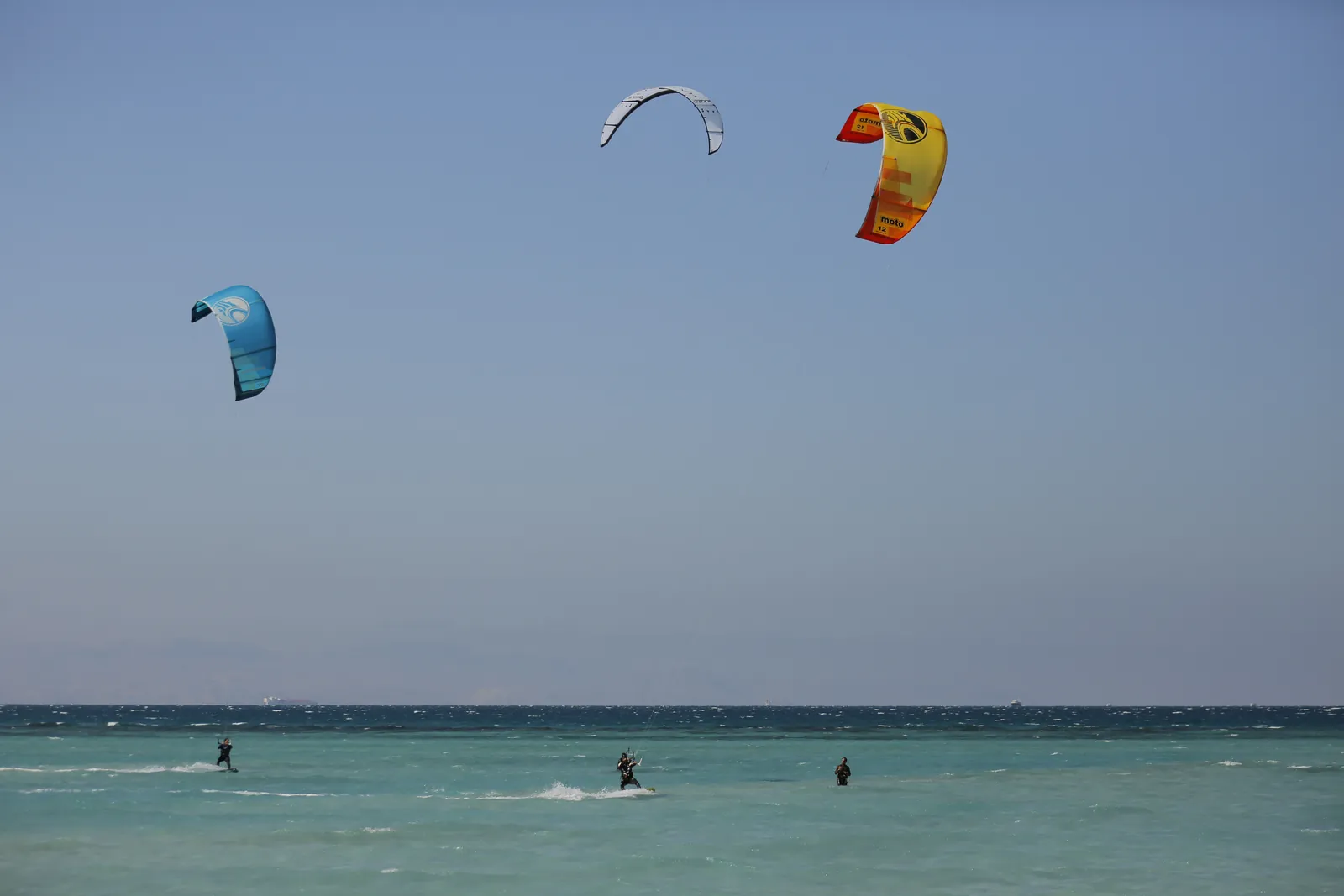
The Gulf of Suez works like a funnel. Desert on both sides heats through the day, the pressure shifts, and a steady thermal wind draws down the gulf — reliable enough that riders here count on rideable days through most of the year, with the strongest, most consistent seasons running spring through autumn. It is not gusty mountain wind; it is conveyor-belt wind, the kind that lets you plan a session instead of gambling on one.
The most forgiving classroom in Egypt
Wind gets you moving; water decides how fast you learn. Ras Sudr’s shoreline is shallow for a long way out and almost always flat — no shore-break punishing your mistakes, no depth to fear when you drop the kite. Beginners stand up, reset and try again in waist-deep warm water. That single fact compresses the learning curve from weeks to days.
A session day, done right
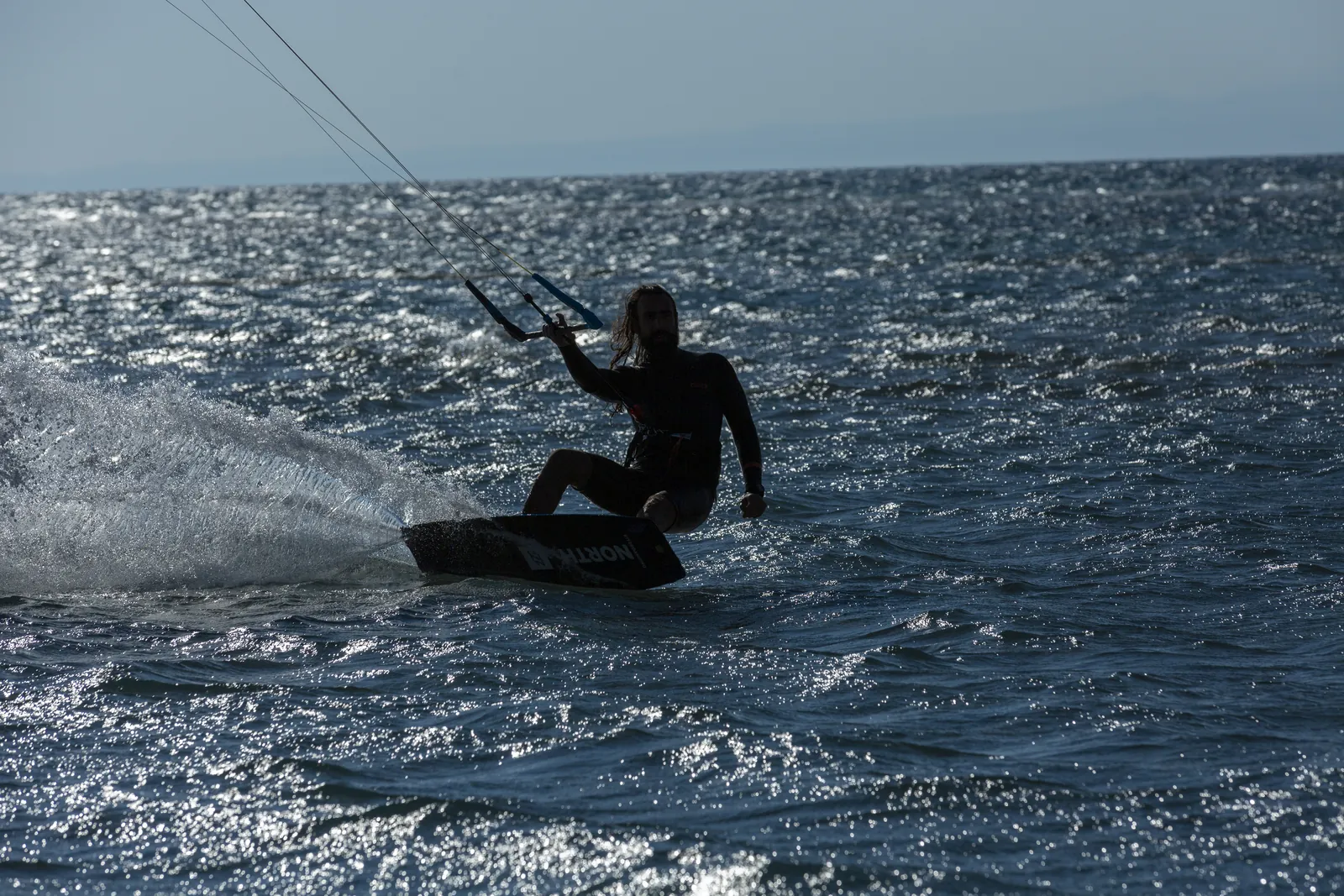
Mornings start glassy — that is coffee-on-the-terrace time. The thermal builds late morning, peaks through the afternoon, and eases into a golden-hour glide that photographers dream about. Ride, rest, eat, repeat; then watch the last kites cut across the sunset from the sand.
Basing yourself at Matarma
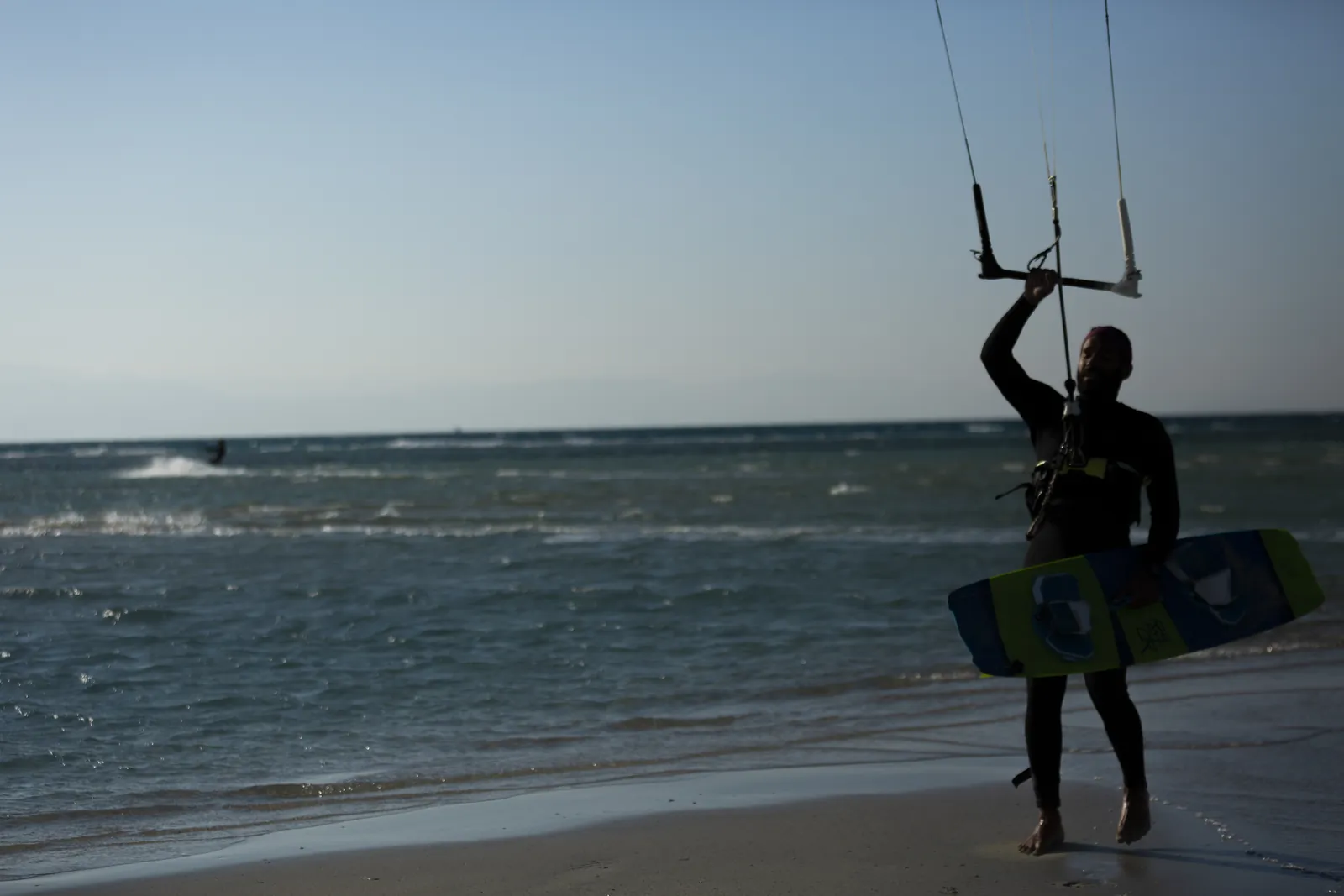
Matarma Beach Residence puts the wind at your door: a private beachfront on the riding coast, space to launch and land, storage for gear, and rooms close enough that lunch breaks are actually breaks. The team can arrange lessons and equipment for beginners — and for travelling riders, half-board means the only decision left each day is which kite to rig.
Come for a weekend with the wind. It shows up more reliably than most plans do.